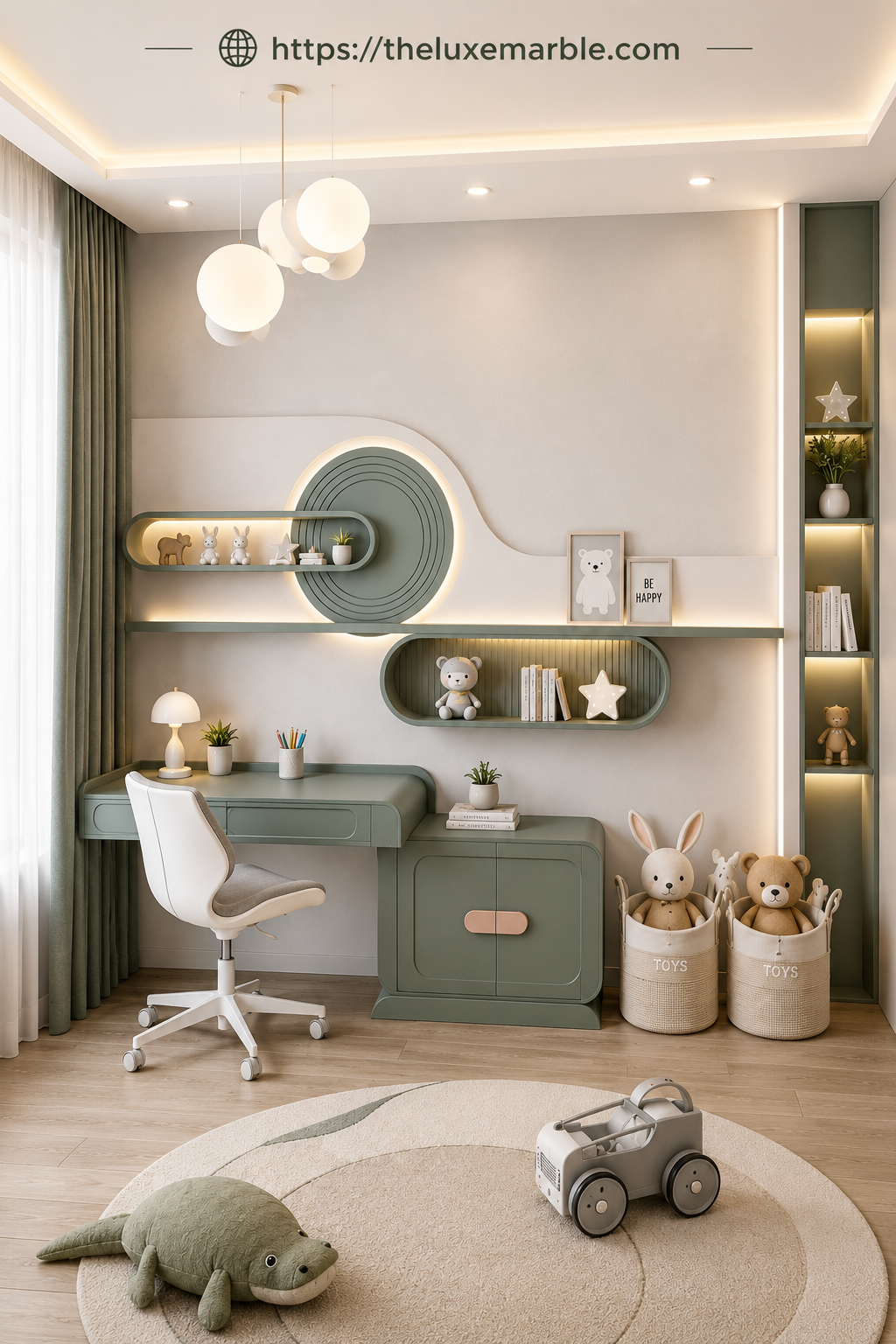
Modern Kids Study Room: Creating the Perfect Learning Environment
A thoughtfully designed Modern Kids study room plays a vital role in a child’s academic growth, creativity, and daily routine. As education increasingly combines traditional learning with digital tools, parents are recognizing the importance of creating dedicated spaces where children can focus, explore ideas, and develop lifelong study habits.
A modern kids study room is much more than a desk placed in a corner. It is a carefully planned environment that balances comfort, organization, functionality, and style. Every design element—from lighting and furniture to storage and color—can influence concentration, motivation, and overall productivity.
This guide explores everything you need to know about designing a beautiful, practical, and future-ready modern kids study room.
What Is a Modern Kids Study Room?
A modern kids study room is a dedicated learning space designed to support concentration, creativity, and organization while complementing contemporary home interiors.
Unlike traditional study areas, modern designs emphasize flexibility and functionality through smart furniture, ergonomic seating, efficient storage, and clean aesthetics.
Typical features include:
- Comfortable study desk
- Ergonomic chair
- Organized storage
- Bookshelves
- Task lighting
- Natural light
- Educational décor
- Smart technology
- Neutral or cheerful color palette
- Personalized accessories
The objective is to create a distraction-free environment that encourages children to enjoy learning.
Why Every Child Benefits from a Dedicated Study Room
A separate study area helps children develop healthy routines and stronger learning habits.
Encourages Better Concentration
Dedicated learning spaces reduce unnecessary distractions.
Children can focus more effectively on:
- Homework
- Reading
- Online classes
- Creative activities
Builds Daily Routine
Having a designated study area encourages consistency.
Children naturally associate the space with:
- Learning
- Organization
- Productivity
- Responsibility
Supports Independence
A personal study room teaches children to organize books, supplies, and assignments independently.
Creates a Positive Learning Experience
Beautiful, comfortable environments make studying feel less like a chore and more like an enjoyable activity.
Benefits of a Modern Kids Study Room
Improved Academic Performance
An organized environment often helps children concentrate for longer periods.
Benefits include:
- Better focus
- Increased productivity
- Improved memory
- Efficient homework completion
Encourages Creativity
Modern study rooms often include spaces for:
- Drawing
- Crafting
- Reading
- Building projects
Creative activities support overall cognitive development.
Better Organization
Smart storage solutions help children manage:
- Books
- School supplies
- Art materials
- Electronics
Organization reduces stress and improves daily routines.
Promotes Good Posture
Ergonomic furniture protects children’s growing bodies by encouraging proper posture during study sessions.
Planning the Perfect Study Room Layout
Thoughtful planning is the foundation of a successful study room.
Identify Functional Zones
Divide the room into separate areas such as:
- Study zone
- Reading corner
- Storage area
- Creative workspace
Clear organization improves functionality.
Maximize Natural Light
Position the study desk near a window whenever possible.
Natural light helps:
- Reduce eye strain
- Improve mood
- Increase concentration
- Enhance productivity
Minimize Distractions
Avoid placing the study desk directly in front of:
- Television
- Gaming consoles
- Busy hallways
A quieter location encourages better focus.
Choosing the Right Study Desk
The desk serves as the centerpiece of every study room.
Adjustable Study Desk
Height-adjustable desks grow alongside children.
Benefits include:
- Long-term usability
- Better ergonomics
- Increased comfort
- Flexible learning
Minimalist Desk Design
Simple desks create uncluttered workspaces.
Characteristics include:
- Clean lines
- Neutral finishes
- Built-in drawers
- Compact footprint
L-Shaped Desk
L-shaped desks provide generous workspace for:
- Homework
- Computers
- Art projects
- Reading
These desks work particularly well in larger rooms.
Ergonomic Chairs
A supportive chair is essential for comfort and posture.
Look for chairs with:
- Adjustable height
- Lumbar support
- Comfortable cushioning
- Stable base
Proper seating helps reduce fatigue during longer study sessions.
Smart Storage Solutions
Organization keeps the study room functional and visually appealing.
Built-In Cabinets
Built-in cabinetry maximizes storage while maintaining clean lines.
Ideal for storing:
- Books
- Files
- Stationery
- Educational toys
Floating Shelves
Floating shelves save floor space while displaying books and decorative accessories.
Drawer Organizers
Small organizers help children sort:
- Pens
- Pencils
- Markers
- Scissors
- Sticky notes
Well-organized drawers reduce clutter.
Bookshelf Ideas
Bookshelves encourage reading while adding character to the room.
Popular styles include:
Open Shelving
Allows children to easily access favorite books.
Cube Storage
Cube shelving offers flexibility for:
- Books
- Decorative boxes
- Toys
- Art supplies
Wall-Mounted Shelves
Wall shelves maximize vertical storage while keeping floors clear.
Creating Different Study Zones
Modern study rooms often include multiple functional areas.
Homework Zone
This area should contain:
- Desk
- Chair
- Computer
- Lighting
Keep it free from unnecessary distractions.
Reading Corner
Comfortable reading areas encourage literacy.
Include:
- Cozy chair
- Floor lamp
- Small bookshelf
- Soft rug
Creative Space
Art and craft activities deserve dedicated work areas.
Provide storage for:
- Paint
- Paper
- Brushes
- Craft supplies
Color Psychology in Kids Study Rooms
Colors influence mood and concentration.
White
White creates:
- Brightness
- Clean appearance
- Spacious feeling
Soft Blue
Blue promotes:
- Calmness
- Focus
- Relaxation
Sage Green
Green supports:
- Creativity
- Balance
- Eye comfort
Warm Beige
Neutral tones create welcoming environments that remain timeless.
Pale Yellow
Yellow introduces optimism and positive energy without overwhelming the room.
Natural Lighting
Natural light remains one of the most valuable design elements.
Benefits include:
- Better concentration
- Reduced eye fatigue
- Improved mood
- Lower energy consumption
Use sheer curtains to soften direct sunlight while maintaining brightness.
Artificial Lighting
Layered lighting improves functionality throughout the day.
Desk Lamp
An adjustable desk lamp provides focused task lighting.
Look for:
- LED bulbs
- Adjustable arms
- Soft white illumination
Ceiling Lighting
General lighting should evenly illuminate the entire room.
Accent Lighting
LED strips behind shelves or desks create a modern atmosphere while improving visibility.
Flooring Ideas
Comfortable flooring enhances the learning environment.
Engineered Wood
Wood flooring creates warmth and timeless appeal.
Luxury Vinyl Flooring
Vinyl offers:
- Durability
- Easy maintenance
- Water resistance
Ideal for active children.
Area Rugs
Large rugs define the study zone while adding color and texture.
Soft rugs also improve comfort and reduce noise.
Window Treatments
Window coverings should balance natural light with privacy.
Popular choices include:
- Roller blinds
- Roman shades
- Linen curtains
- Blackout blinds for afternoon study sessions
Choose neutral colors that complement the room’s overall design.
Personalizing the Study Room
Personal touches make children feel connected to their learning environment.
Ideas include:
- Name plaques
- Inspirational quotes
- Educational posters
- Family photos
- Achievement boards
Personalization encourages pride and responsibility.
Wall Décor Ideas
Walls play an important role in creating an inspiring learning environment. Rather than filling every wall with decorations, focus on pieces that encourage creativity and support education.
Educational Wall Art
Decorate with artwork that is both attractive and informative.
Popular ideas include:
- World maps
- Alphabet posters
- Number charts
- Science illustrations
- Solar system artwork
- Inspirational quotes
These elements make learning part of the room’s design while keeping the space visually engaging.
Cork Boards
Cork boards allow children to display:
- Homework schedules
- Certificates
- Artwork
- Notes
- Weekly goals
They encourage organization and personal achievement.
Magnetic Boards
Magnetic boards offer flexibility for:
- Study reminders
- Flashcards
- Educational magnets
- Daily planners
They are practical and easy to update.
Gallery Wall
Create a gallery wall using:
- Framed drawings
- Family photographs
- Motivational prints
- School achievements
Keep the layout balanced and uncluttered.
Ceiling Design Ideas
A thoughtfully designed ceiling enhances the room without becoming distracting.
Simple White Ceiling
A clean white ceiling reflects natural light and makes the room feel larger.
Wooden Ceiling Details
Wooden ceiling panels introduce warmth and pair beautifully with modern interiors.
Popular wood finishes include:
- Oak
- Ash
- Walnut
Recessed LED Lighting
Recessed lights provide even illumination while maintaining a clean and contemporary appearance.
Smart Storage Ideas
Storage keeps the study room functional and stress-free.
Built-In Storage
Custom cabinetry maximizes every inch of available space.
Use cabinets for:
- Textbooks
- School supplies
- Electronics
- Art materials
Under-Desk Drawers
Hidden drawers keep everyday items organized while maintaining a tidy workspace.
Storage Baskets
Fabric baskets provide attractive storage for:
- Toys
- Notebooks
- Craft supplies
- Extra stationery
Choose neutral colors to maintain a cohesive look.
Label Everything
Simple labels help children develop organization skills and quickly locate supplies.
Technology Integration
Technology has become an essential part of modern education.
Laptop or Desktop Computer
Choose a comfortable setup with:
- Adjustable monitor height
- Wireless keyboard
- Cable management
Tablet Charging Station
A dedicated charging area keeps devices organized and ready for online learning.
Smart Speakers
Voice assistants can help with:
- Timers
- Homework reminders
- Educational questions
- Music during study breaks
High-Speed Internet
Reliable internet access is essential for:
- Online classes
- Educational research
- Homework
- Virtual learning
Organization Tips
Organization helps children stay productive.
Develop habits such as:
- Returning books after use
- Clearing the desk daily
- Sorting papers weekly
- Organizing school bags every evening
Small routines lead to long-term success.
Study Room Ideas by Age Group
Preschool Children
Focus on creativity and exploration.
Include:
- Small desk
- Picture books
- Art station
- Bright storage bins
Elementary School Students
Prioritize:
- Comfortable seating
- Homework space
- Reading corner
- Educational wall art
Teenagers
Teen study rooms should include:
- Larger desk
- Computer station
- Bookshelves
- Minimalist décor
- Comfortable task chair
Designs should feel mature while remaining functional.
Minimalist Modern Kids Study Room
Minimalism helps reduce distractions.
Characteristics include:
- Neutral colors
- Clean lines
- Hidden storage
- Simple furniture
- Limited décor
Minimalist rooms encourage concentration while remaining stylish.
Luxury Modern Kids Study Room
Luxury designs combine functionality with premium finishes.
Popular features include:
- Custom cabinetry
- Marble desk surfaces
- Oak shelving
- Designer lighting
- Ergonomic premium chairs
- Built-in reading nook
- Smart home controls
Luxury does not mean excessive decoration. Instead, it focuses on quality materials, thoughtful planning, and long-lasting comfort.
Creating a Reading Corner
Reading corners encourage a lifelong love of books.
Include:
- Comfortable armchair
- Soft rug
- Floor lamp
- Small bookshelf
- Decorative cushions
This area becomes a peaceful retreat for independent reading.
Creating a Creative Corner
Creative activities support imagination and problem-solving.
Provide space for:
- Drawing
- Painting
- Craft projects
- Building blocks
- STEM activities
Use washable surfaces for easy maintenance.
Indoor Plants
Plants improve the appearance of the room while introducing natural elements.
Child-friendly choices include:
- Spider Plant
- Areca Palm
- Parlor Palm
- Boston Fern
Plants make study rooms feel fresh and welcoming.
Common Design Mistakes
Choosing Oversized Furniture
Furniture should suit both the child’s size and the room dimensions.
Oversized desks can make smaller spaces feel cramped.
Poor Lighting
Inadequate lighting may contribute to eye strain and reduced concentration.
Layer natural light with quality task lighting.
Ignoring Ergonomics
Improper seating may affect posture and comfort during study sessions.
Choose adjustable furniture whenever possible.
Excessive Decorations
Too many toys or decorative items can distract from learning.
Keep the workspace clean and organized.
Lack of Storage
Insufficient storage often leads to clutter.
Plan storage carefully before decorating.
Budget-Friendly Ideas
A beautiful study room does not have to be expensive.
Affordable improvements include:
- Floating shelves
- Peel-and-stick wallpaper
- LED desk lamp
- Storage baskets
- Neutral paint
- Cork board
- Indoor plants
Thoughtful planning often matters more than a large budget.
Sustainable Design Ideas
Eco-friendly interiors are becoming increasingly popular.
Choose:
- FSC-certified wood furniture
- LED lighting
- Low-VOC paint
- Recycled storage boxes
- Natural fabrics
- Bamboo organizers
Sustainable materials create healthier learning environments.
Future Trends in Kids Study Room Design
Modern study spaces continue to evolve with changing educational needs.
Emerging trends include:
- Smart desks
- Height-adjustable furniture
- Integrated charging stations
- Acoustic wall panels
- Biophilic design
- Flexible learning zones
- Sustainable materials
- AI-assisted learning spaces
These innovations support both comfort and academic success.
Final Thoughts
A modern kids study room is more than a place to complete homework—it is a thoughtfully designed environment that supports learning, creativity, organization, and personal growth. By combining ergonomic furniture, smart storage, proper lighting, calming colors, and age-appropriate décor, parents can create a space where children feel motivated and comfortable every day.
Whether designing a compact study corner or a dedicated learning room, focusing on functionality and simplicity will produce the best long-term results. Modern design principles emphasize clean layouts, natural light, quality materials, and flexible furniture that adapts as children grow.
Frequently Asked Questions
What is a modern kids study room?
A modern kids study room is a dedicated learning space featuring ergonomic furniture, smart storage, good lighting, and organized layouts that encourage focus and creativity.
What colors are best for a kids study room?
Soft blue, sage green, warm beige, white, and pale yellow are excellent choices because they promote concentration while creating a welcoming atmosphere.
Which desk is best for children?
An adjustable-height desk is ideal because it grows with the child and supports proper posture over time.
Why is natural light important?
Natural light reduces eye strain, improves mood, increases focus, and creates a healthier learning environment.
How can I organize a small study room?
Use floating shelves, wall-mounted storage, drawer organizers, and multifunctional furniture to maximize available space.