Retro Home Style: The Complete Guide to Creating a Timeless Vintage-Inspired Living Space
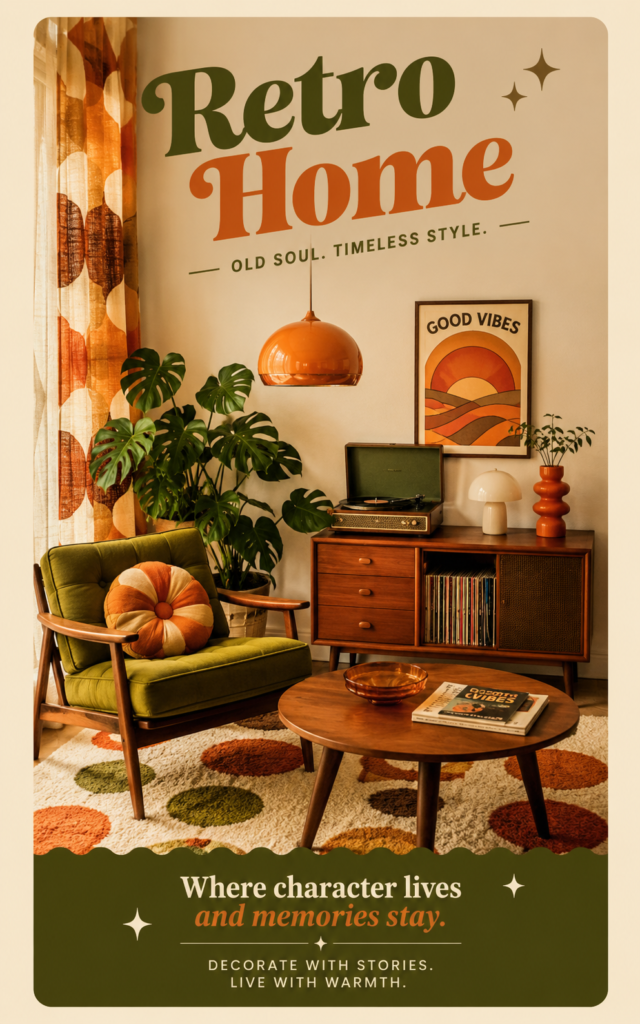
Retro home style has made a remarkable comeback in interior design. Homeowners today are increasingly embracing the charm of previous decades and blending nostalgic elements with modern functionality. Whether inspired by the bold colors of the 1960s, the geometric patterns of the 1970s, or the sleek aesthetics of mid-century design, retro home style offers warmth, personality, and uniqueness.
Unlike minimal designs that often prioritize simplicity above all else, retro interiors celebrate character, textures, and memorable visual elements. The beauty of retro design lies in its ability to tell stories while creating spaces that feel comfortable and visually engaging.
This comprehensive guide explores everything you need to know about retro home style, from colors and furniture choices to room-specific decorating ideas and practical styling tips.
Understanding Retro Home Style
Retro home style refers to interior designs inspired by trends from past decades, primarily from the 1950s through the 1980s. Rather than reproducing an exact historical look, retro design takes inspiration from these periods and adapts them for modern living.
Characteristics of retro interiors include:
- Bold colors
- Distinctive patterns
- Vintage furniture
- Unique lighting
- Playful decorative accessories
- Geometric designs
- Mixed textures
- Nostalgic details
Retro interiors feel welcoming because they often combine familiar design elements with creative expression.
Why Retro Home Style Is Becoming Popular Again
Several factors contribute to the growing popularity of retro-inspired interiors.
Nostalgia Creates Emotional Connections
Many people enjoy decorating with pieces that remind them of childhood memories or family homes. Retro décor creates emotional comfort while introducing personality into a living environment.
Sustainable Decorating Trends
Vintage shopping and repurposing furniture align with sustainable living practices. Instead of buying entirely new items, homeowners often restore old pieces.
Unique Personal Style
Modern homes sometimes feel repetitive because of identical furniture trends. Retro design allows homeowners to express individuality.
Social Media Influence
Pinterest and interior design platforms have accelerated the popularity of vintage aesthetics and retro room inspiration.
Key Elements of Retro Home Style
Retro Color Palettes
Colors are among the most recognizable aspects of retro design.
Popular retro colors include:
Warm shades
- Mustard yellow
- Burnt orange
- Deep red
- Rust
- Brown
Cool shades
- Teal
- Mint green
- Turquoise
- Olive green
- Sky blue
Neutral balancing tones
- Cream
- Beige
- White
- Light gray
Combining vibrant shades with softer neutrals helps prevent rooms from feeling overwhelming.
Furniture Choices for Retro Home Style
Furniture forms the foundation of a retro-inspired room.
Popular furniture styles include:
Mid-Century Modern Pieces
Mid-century furniture remains one of the most sought-after retro styles.
Characteristics include:
- Clean lines
- Wooden legs
- Functional design
- Minimal ornamentation
- Organic shapes
Common examples:
- Low-profile sofas
- Wooden sideboards
- Rounded coffee tables
- Accent chairs
Curved Furniture
Retro interiors frequently feature curved silhouettes.
Examples include:
- Rounded sofas
- Circular coffee tables
- Curved armchairs
- Oval mirrors
Vintage Cabinets
Vintage cabinets provide both functionality and aesthetic appeal.
Options include:
- Wooden display cabinets
- Glass-front sideboards
- Record storage units
- Console tables
Retro Wall Décor Ideas
Walls play an important role in creating retro atmosphere.
Wallpaper Patterns
Wallpaper was extremely popular in retro homes.
Common patterns include:
- Geometric designs
- Floral prints
- Abstract shapes
- Circular patterns
- Textured wallpapers
Using wallpaper on one accent wall creates visual interest without overwhelming the room.
Vintage Posters
Decorative posters can enhance authenticity.
Ideas include:
- Travel advertisements
- Retro movie posters
- Music-inspired artwork
- Typography prints
Gallery Walls
Mix:
- Vintage photographs
- Retro clocks
- Decorative mirrors
- Framed art
Retro Flooring Options
Flooring significantly impacts interior aesthetics.
Popular choices include:
Hardwood Flooring
Wood flooring creates warmth and versatility.
Checkerboard Flooring
Black-and-white checkerboard patterns instantly create a retro atmosphere.
Patterned Rugs
Area rugs add:
- Color
- Texture
- Visual contrast
Retro rug patterns often include:
- Geometric shapes
- Abstract forms
- Bold color combinations
Retro Living Room Design Ideas
The living room often becomes the centerpiece of retro home style.
Furniture Layout
Arrange seating around a central focal point.
Examples:
- Vintage coffee table
- Fireplace
- Entertainment area
Add Statement Seating
Statement seating may include:
- Velvet chairs
- Egg chairs
- Leather accent chairs
Layer Textures
Combine:
- Wood
- Metal
- Fabric
- Glass
- Leather
Layered textures create depth and warmth.
Retro Kitchen Design Inspiration
The kitchen offers countless opportunities for retro styling.
Retro Appliances
Vintage-inspired appliances add personality.
Examples include:
- Rounded refrigerators
- Colorful ovens
- Classic toaster designs
Cabinet Colors
Popular options:
- Mint green
- Turquoise
- Cream
- Red
Decorative Accessories
Include:
- Ceramic jars
- Vintage clocks
- Metal signs
- Colorful utensils
Retro Bedroom Ideas
Bedrooms should feel relaxing while maintaining visual interest.
Headboard Selection
Retro bedrooms often feature:
- Upholstered headboards
- Wooden panels
- Curved designs
Bedding Choices
Consider:
- Geometric patterns
- Floral prints
- Warm color palettes
Decorative Lighting
Lighting options:
- Hanging pendant lights
- Vintage bedside lamps
- Globe fixtures
Retro Bathroom Design
Bathrooms can also embrace retro style.
Ideas include:
Colored Tiles
Popular colors:
- Mint green
- Pink
- Blue
- White
Vintage Mirrors
Mirrors with decorative frames create visual impact.
Small Decorative Accessories
Examples:
- Soap trays
- Vintage storage containers
- Retro artwork
Lighting Ideas for Retro Interiors
Lighting strongly affects mood and aesthetics.
Popular retro fixtures include:
Pendant Lighting
Pendant lights provide style and function.
Globe Lights
Rounded globe lighting remains a classic retro element.
Floor Lamps
Vintage floor lamps can become decorative focal points.
Accessories That Complete Retro Home Style
Accessories add personality and authenticity.
Ideas include:
Decorative Clocks
Vintage wall clocks instantly strengthen retro appeal.
Vinyl Record Displays
Music lovers often use records as decorative elements.
Indoor Plants
Plants commonly used in retro interiors include:
- Snake plants
- Rubber plants
- Pothos
- Monstera
Plants soften bold design elements and create balance.
Mixing Retro and Modern Design
Many homeowners prefer combining retro and contemporary elements.
Methods include:
Use Retro Accents Only
Instead of designing an entire room around vintage themes, add:
- Accent chairs
- Decorative lamps
- Wall art
Keep Layout Modern
Modern room layouts with retro furniture often create balanced interiors.
Limit Color Saturation
Too many bright colors can overwhelm spaces.
Use bold tones selectively.
Common Retro Decorating Mistakes
Using Too Many Colors
Retro style embraces color but requires balance.
Overcrowding Spaces
Too many accessories create visual clutter.
Ignoring Functionality
Rooms should remain practical for daily life.
Copying Instead of Personalizing
Use inspiration as guidance rather than creating identical designs.
Budget-Friendly Retro Home Style Tips
Creating retro interiors does not necessarily require large spending.
Shop Second-Hand Stores
Vintage stores often offer unique finds.
Visit Flea Markets
Interesting decorative items can be found at affordable prices.
DIY Furniture Restoration
Refinishing furniture saves money while adding character.
Mix New and Old Items
Combining modern and vintage pieces creates a balanced appearance.
Benefits of Retro Home Style
Retro home design offers several advantages:
- Unique appearance
- Warm atmosphere
- Strong visual character
- Sustainable decorating opportunities
- Flexible design options
- Personal expression
Future Trends in Retro Home Style
Interior design continues evolving, but retro influence remains strong.
Emerging trends include:
- Modern retro fusion
- Sustainable vintage shopping
- Earth-tone palettes
- Curved furniture
- Mixed textures
- Smart home technology combined with vintage aesthetics
Retro design adapts well to changing tastes because it focuses on individuality rather than strict design rules.
Final Thoughts
Retro home style creates interiors filled with personality, warmth, and timeless appeal. By combining vintage inspiration with modern functionality, homeowners can build living spaces that feel both nostalgic and contemporary.
Whether you introduce subtle retro accents or completely transform your interior, the goal is creating a home that reflects your personal style and comfort. From bold colors and vintage furniture to unique accessories and layered textures, retro home style offers endless possibilities for creativity.
When carefully designed, a retro-inspired home becomes more than just a living space—it becomes an experience that tells a story and leaves a lasting impression.