Contemporary Living Room: The Complete Guide to Modern Elegance and Functional Design
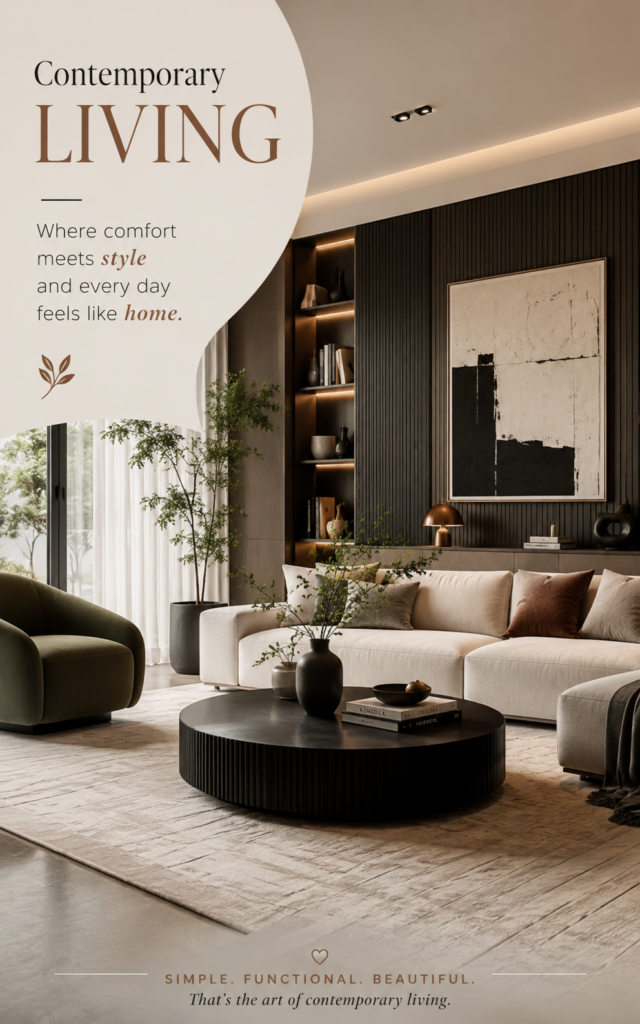
A contemporary living room represents the perfect balance between style, comfort, and functionality. Unlike traditional designs that rely heavily on classic details or highly ornamental elements, contemporary interiors focus on clean lines, open spaces, simplicity, and current design trends.
Today’s homeowners seek living rooms that serve multiple purposes. A living room is no longer simply a space where guests sit; it has evolved into an area for relaxation, entertainment, family gatherings, remote work, and personal expression.
Contemporary living room design embraces modern aesthetics while remaining flexible enough to adapt to changing trends. Whether you own a large house, compact apartment, urban loft, or modern villa, contemporary styling offers endless possibilities.
What Is a Contemporary Living Room?
Many people confuse modern and contemporary styles. While they appear similar, there are important differences.
Modern design generally refers to a specific historical design movement from the early to mid-20th century. Contemporary design, however, refers to what is currently popular and evolving.
A contemporary living room often includes:
- Open floor plans
- Neutral color palettes
- Natural lighting
- Functional furniture
- Minimal clutter
- Clean architectural lines
- Mixed textures
- Statement décor pieces
- Sustainable materials
The beauty of contemporary style lies in its adaptability. It changes with current design preferences while maintaining timeless sophistication.
Key Characteristics of a Contemporary Living Room
1. Clean Lines and Simplicity
One defining characteristic of a contemporary living room is simplicity.
Furniture typically includes:
- Straight lines
- Smooth surfaces
- Minimal decorative details
- Geometric shapes
Overly ornate furniture and heavy decorative patterns are generally avoided.
Simple design creates a relaxing atmosphere and makes spaces appear larger.
2. Open and Airy Layout
Contemporary spaces prioritize openness.
Designers often eliminate unnecessary barriers between areas such as:
- Kitchen
- Dining area
- Living room
Open layouts allow:
- Better movement
- More natural light
- Improved communication
- Enhanced visual space
Large windows are commonly used to maximize brightness.
3. Neutral Color Schemes
Neutral colors dominate contemporary interiors.
Popular shades include:
- White
- Beige
- Gray
- Cream
- Taupe
- Black
These colors create a calm foundation while allowing decorative accents to stand out.
Accent colors can include:
- Navy blue
- Emerald green
- Mustard yellow
- Burnt orange
- Soft blush tones
4. Texture Over Excess Decoration
Contemporary rooms often create visual interest through texture rather than clutter.
Examples include:
- Velvet cushions
- Leather furniture
- Woven rugs
- Natural wood
- Stone surfaces
- Glass elements
- Metal finishes
Layering different textures adds warmth and sophistication.
Choosing Contemporary Living Room Furniture
Furniture is one of the most important aspects of any contemporary living room.
Sofas
The sofa acts as the focal point.
Popular choices include:
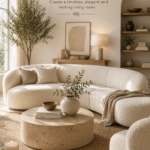
- Sectional sofas
- Low-profile sofas
- Modular seating
- Neutral fabric sofas
Look for:
- Clean edges
- Comfortable seating
- High-quality materials
- Durable upholstery
Popular sofa colors:
- Gray
- White
- Beige
- Charcoal
- Soft blue
Coffee Tables
Coffee tables in contemporary spaces emphasize functionality and design.
Common materials:
- Glass
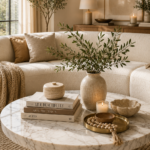
- Marble
- Wood
- Metal
Round tables soften rooms with sharp architectural lines.
Rectangular tables complement larger seating arrangements.
Accent Chairs
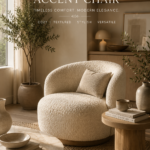
Accent chairs create additional seating while introducing personality.
Popular options:
- Leather chairs
- Curved armchairs
- Minimalist lounge chairs
- Sculptural seating
Storage Solutions
Contemporary living rooms avoid visible clutter.
Functional storage ideas include:
- Floating shelves
- Hidden cabinets
- Built-in wall units
- Multi-purpose furniture
Contemporary Living Room Color Ideas
Color plays a critical role in defining atmosphere.
White and Gray Palette
This classic combination creates a bright and sophisticated look.
Advantages:
- Makes rooms appear larger
- Creates a timeless appearance
- Works with many accent colors
Earth-Tone Contemporary Design
Natural colors continue to grow in popularity.
Examples:
- Warm brown
- Clay
- Sand
- Olive green
- Terracotta
Earthy shades create warmth and comfort.
Black and White Contrast
For dramatic impact:
- White walls
- Black accents
- Metal finishes
This creates strong visual contrast without overwhelming the room.
Monochromatic Design
Using multiple shades from one color family creates elegance and cohesion.
Examples:
- Light gray
- Medium gray
- Dark charcoal
Lighting Ideas for a Contemporary Living Room
Lighting transforms the atmosphere of any living room.
Natural Lighting
Large windows are a major feature in contemporary interiors.
Ways to maximize light:
- Sheer curtains
- Glass doors
- Minimal window treatments
- Mirrors
Layered Lighting
Good lighting includes multiple layers:
Ambient lighting
Provides general illumination.
Examples:
- Recessed lights
- Ceiling fixtures
Task lighting
Supports activities such as reading.
Examples:
- Floor lamps
- Table lamps
Accent lighting
Highlights architectural details.
Examples:
- Wall sconces
- LED strips
- Artwork lighting
Contemporary Living Room Wall Decor Ideas
Walls should enhance design without creating visual clutter.
Ideas include:
Large Artwork
Oversized art pieces create impact.
Popular styles:
- Abstract paintings
- Black-and-white photography
- Minimalist prints
Gallery Walls
Create carefully curated collections of:
- Photos
- Art prints
- Frames
Maintain consistent spacing and color themes.
Wall Panels
Modern wall treatments add sophistication.
Options include:
- Wood slats
- Stone textures
- Geometric panels
- Decorative molding
Mirrors
Mirrors:
- Reflect light
- Increase perceived space
- Add elegance
Large mirrors are particularly effective in small rooms.
Flooring for Contemporary Living Rooms
Flooring affects both appearance and comfort.
Popular choices include:
Hardwood Floors
Benefits:
- Timeless look
- Durability
- Warm appearance
Luxury Vinyl Flooring
Advantages:
- Affordable
- Water resistant
- Easy maintenance
Large Tile Flooring
Large-format tiles create:
- Seamless appearance
- Clean lines
- Modern style
Area Rugs
Rugs help define seating zones.
Choose:
- Geometric patterns
- Neutral colors
- Textured materials
Decorative Elements for Contemporary Spaces
Throw Pillows
Mix different:
- Sizes
- Fabrics
- Patterns
Avoid excessive decoration.
Indoor Plants
Plants bring life into contemporary interiors.
Popular choices:
- Snake plants
- Fiddle leaf figs
- Monstera plants
- Palm plants
Benefits:
- Improved visual appeal
- Natural texture
- Fresh atmosphere
Sculptural Accessories
Examples include:
- Ceramic vases
- Decorative bowls
- Artistic objects
Use them sparingly.
Contemporary Living Room Ideas for Small Spaces
Many homeowners have limited space.
Fortunately, contemporary design works exceptionally well in smaller rooms.
Strategies include:
Use Light Colors
Light shades reflect more light and visually expand rooms.
Choose Multi-functional Furniture
Examples:
- Storage ottomans
- Sofa beds
- Nesting tables
Keep Layout Simple
Avoid overcrowding.
Leave sufficient walking space.
Vertical Storage
Use:
- Wall shelves
- Tall cabinets
- Mounted storage
Contemporary Living Room Trends
Current trends continue evolving.
Popular contemporary living room trends include:
Curved Furniture
Curved sofas and rounded chairs soften interiors.
Sustainable Materials
Eco-friendly choices include:
- Recycled wood
- Organic fabrics
- Natural materials
Smart Home Integration
Technology now blends seamlessly with design.
Examples:
- Smart lighting
- Hidden speakers
- Automated curtains
- Voice-controlled systems
Mixed Materials
Designers increasingly combine:
- Wood
- Metal
- Stone
- Glass
- Fabric
This creates depth and visual interest.
Common Mistakes to Avoid
Even beautiful designs can fail if basic mistakes occur.
Avoid:
Overcrowding Furniture
Too much furniture makes rooms feel cramped.
Ignoring Scale
Furniture should match room size.
Large sofas in small rooms create imbalance.
Poor Lighting
Relying on one ceiling fixture creates flat interiors.
Excess Decoration
Contemporary style values simplicity.
Decorate thoughtfully rather than excessively.
Creating a Luxury Contemporary Living Room
Luxury contemporary interiors focus on quality rather than quantity.
Features often include:
- Premium materials
- Statement lighting
- Custom furniture
- Large artwork
- Rich textures
- Architectural details
Luxury does not necessarily require excessive spending.
Smart design choices often create impressive results.
Final Thoughts
A contemporary living room combines elegance, comfort, and practical functionality into a space that supports modern lifestyles. By focusing on clean lines, thoughtful furniture selection, balanced color schemes, natural light, and carefully chosen decorative elements, homeowners can create spaces that remain stylish for years.
Whether you prefer a minimalist atmosphere, warm earth tones, or luxurious finishes, contemporary design offers flexibility that adapts to personal preferences while maintaining timeless appeal.