Ambient Diffuse Light: The Complete Guide to Soft, Balanced Home Lighting
Ambient diffuse light has become one of the most important elements in modern interior design. Whether you are decorating a cozy bedroom, a luxury living room, a minimalist apartment, or a modern office, the right lighting can completely transform the atmosphere of your space. Soft, evenly distributed illumination creates comfort, reduces harsh shadows, and makes interiors feel warm and welcoming.
Unlike direct lighting that focuses brightness in one area, ambient diffuse light spreads smoothly across a room. It enhances textures, highlights décor, improves visual comfort, and creates a calm environment perfect for relaxation or productivity. Interior designers, architects, and homeowners increasingly use diffuse lighting techniques to achieve Pinterest-worthy interiors that look elegant both day and night.
What Is Ambient Diffuse Light?
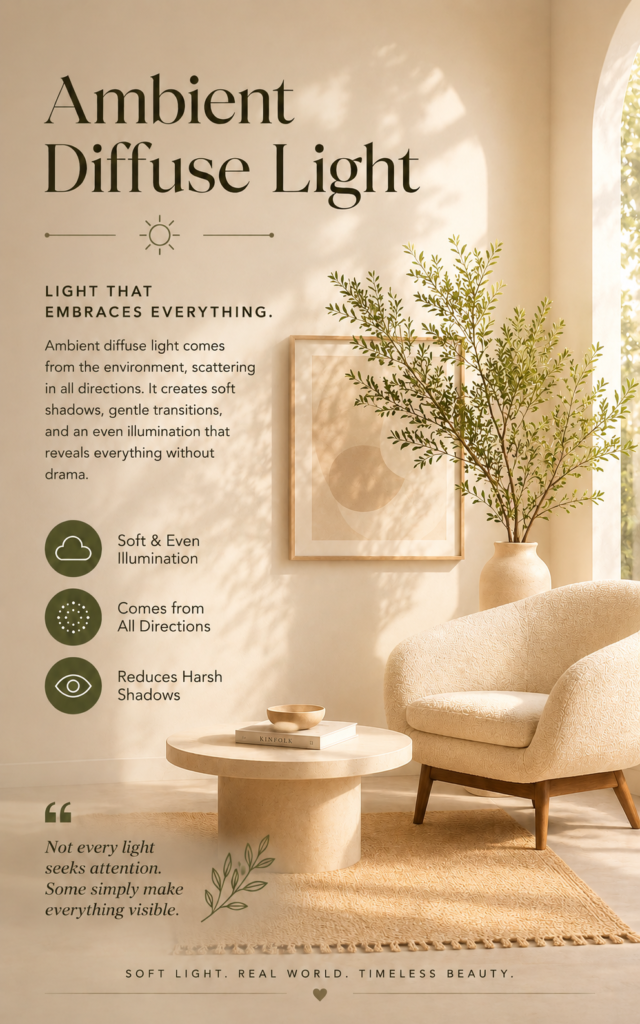
Ambient diffuse light refers to soft, evenly distributed lighting that fills a room without creating sharp shadows or glare. It acts as the primary layer of illumination in interior spaces and helps create balanced brightness throughout the environment.
Unlike spotlighting or harsh ceiling bulbs, diffuse lighting gently spreads illumination using:
- Frosted glass fixtures
- Fabric lampshades
- LED strip lighting
- Wall sconces
- Recessed lighting
- Cove lighting
- Natural light diffusion through curtains
The main purpose of ambient diffuse light is to create a comfortable visual experience while enhancing the overall mood of a room.
Key Characteristics of Ambient Diffuse Light
Soft Illumination
Diffuse lighting eliminates intense brightness and creates a smooth glow.
Reduced Shadows
The light spreads evenly, reducing harsh contrasts.
Comfortable Atmosphere
It helps rooms feel cozy, peaceful, and inviting.
Better Interior Aesthetics
Diffuse lighting highlights textures, colors, and furniture beautifully.
Versatile Design Use
It works in bedrooms, kitchens, living rooms, offices, and commercial interiors.
Why Ambient Diffuse Light Matters in Interior Design
Lighting is one of the most powerful tools in interior décor. Even expensive furniture and luxury finishes can look dull under poor lighting conditions. Ambient diffuse light improves both functionality and aesthetics.
Creates a Relaxing Environment
Soft lighting naturally reduces stress and visual fatigue. This is especially important in bedrooms and living rooms where relaxation matters most.
Makes Rooms Look Larger
Diffuse lighting spreads brightness evenly, helping smaller spaces feel open and airy.
Enhances Home Décor
Modern textures, wood finishes, marble surfaces, and decorative elements appear more luxurious under balanced lighting.
Improves Photography and Social Media Appeal
Pinterest-inspired homes often rely heavily on diffuse ambient lighting because it creates soft shadows and visually pleasing interiors.
Types of Ambient Diffuse Lighting
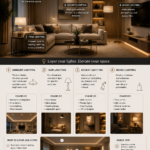
Understanding different types of diffuse lighting helps homeowners create layered and sophisticated interiors.
- Ceiling Ambient Lighting
Ceiling fixtures provide the main source of ambient illumination.
Popular choices include:
- Flush mount lights
- Semi-flush ceiling lights
- Recessed LEDs
- Pendant lights with diffusers
These fixtures distribute light across the room while maintaining visual comfort.
- Cove Lighting
Cove lighting is hidden LED lighting installed inside ceiling recesses or architectural details.
Benefits include:
- Elegant indirect illumination
- Modern luxury appearance
- Soft shadow reduction
- Ideal mood lighting
Cove lighting is extremely popular in contemporary homes and luxury apartments.
- Wall Sconces
Wall sconces provide soft side illumination that enhances ambiance.
They are commonly used in:
- Hallways
- Bedrooms
- Dining rooms
- Staircases
Wall lighting adds depth and visual layering to interiors.
- Floor and Table Lamps
Lamps with fabric or frosted shades diffuse light gently throughout the room.
These are perfect for:
- Reading corners
- Bedroom nightstands
- Cozy living rooms
- Home offices
Soft lamps create intimate and relaxing environments.
- Natural Diffuse Lighting
Natural light can also become diffuse through:
- Sheer curtains
- Frosted windows
- Skylights
- Light-filtering blinds
Natural diffuse lighting creates beautiful daytime interiors while minimizing glare.
Best Color Temperatures for Ambient Diffuse Light
Color temperature significantly affects the mood of a room.
Warm White (2700K–3000K)
Warm white creates cozy and relaxing environments.
Best for:
- Bedrooms
- Living rooms
- Dining spaces
Neutral White (3500K–4000K)
Neutral white offers balanced illumination.
Best for:
- Kitchens
- Bathrooms
- Home offices
Cool White (5000K+)
Cool lighting feels energetic and bright.
Best for:
- Workspaces
- Garages
- Commercial settings
For most residential interiors, warm ambient diffuse light works best.
LED Cove Lighting
Hidden ceiling LEDs create luxury hotel-style ambiance.
Wall Sconces
Perfect for modern minimalist bedrooms.
Under-Bed LED Strips
Adds soft nighttime glow.
Diffuse bedroom lighting improves comfort and supports better relaxation.
Ambient Diffuse Light for Kitchens
Kitchens need balanced lighting for both function and aesthetics.
Ideal Kitchen Lighting Setup
Recessed Ceiling Lights
Provide overall illumination.
Under-Cabinet LEDs
Improve workspace visibility.
Pendant Lights
Diffuse pendant lighting enhances kitchen islands beautifully.
Avoid harsh white lighting that creates uncomfortable glare.
Ambient Diffuse Light for Bathrooms
Bathrooms benefit greatly from soft balanced illumination.
Recommended Fixtures
- Frosted vanity lights
- Backlit mirrors
- Recessed ceiling LEDs
- Soft wall sconces
Proper diffuse lighting improves both comfort and functionality.
Smart Lighting and Ambient Diffuse Illumination
Smart lighting technology has revolutionized modern home décor.
Popular Smart Lighting Features
Adjustable Brightness
Dim lights depending on mood or time of day.
Color Temperature Control
Switch between warm and cool tones.
Voice Control
Control lighting with smart assistants.
Scheduling Automation
Automatically adjust brightness throughout the day.
Smart ambient lighting creates highly personalized living environments.
Design Tips
Use Multiple Light Sources
Combine ceiling lights, lamps, sconces, and LED strips.
Prioritize Warm Tones
Warm white LEDs create inviting interiors.
Add Hidden Lighting
Concealed LEDs create luxury ambiance.
Layer Different Heights
Mix floor lamps, ceiling lights, and wall lighting.
Highlight Textures
Diffuse lighting enhances wood, fabrics, stone, and decorative pieces.
These techniques create visually rich and elegant interiors.
Common Mistakes to Avoid
Using Only One Ceiling Light
Single overhead lighting creates flat and unattractive interiors.
Choosing Harsh Cool White LEDs
Overly bright cool lighting can feel uncomfortable in residential spaces.
Ignoring Dimmers
Dimmers provide flexibility and improve ambiance.
Poor Fixture Placement
Incorrect positioning creates unwanted shadows and uneven lighting.
Mixing Inconsistent Color Temperatures
Different light colors can make interiors feel chaotic.
Benefits of LED Ambient Diffuse Lighting
LED technology is now the preferred choice for modern homes.
Energy Efficiency
LEDs consume significantly less electricity.
Long Lifespan
Most LED fixtures last many years.
Better Mood Control
LED systems offer dimming and smart customization.
Lower Heat Emission
LEDs stay cooler than traditional bulbs.
Modern Design Integration
LED strips and recessed fixtures blend seamlessly into interiors.
Minimalist Interior Design and Diffuse Lighting
Minimalist spaces rely heavily on lighting quality rather than excessive decoration.
Minimalist Lighting Principles
- Hidden illumination
- Clean fixture lines
- Soft brightness
- Warm neutral tones
- Reduced visual clutter
Diffuse ambient lighting perfectly complements minimalist aesthetics.
Luxury Home Trends in Ambient Diffuse Lighting
Modern luxury interiors increasingly focus on layered lighting instead of oversized decorative fixtures.
Architectural LED Lighting
Integrated lighting within walls and ceilings.
Floating Light Effects
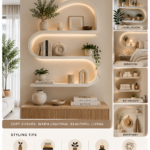
Hidden LEDs under furniture and shelving.
Organic Light Shapes
Curved fixtures with soft illumination.
Smart Mood Lighting
Customizable scenes for different activities.
Natural Material Fixtures
Wood, linen, and frosted glass designs.
Luxury lighting now prioritizes atmosphere over brightness alone.
Choosing the Right Fixtures for Ambient Diffuse Light
Selecting appropriate fixtures is essential for achieving balanced illumination.
Best Fixture Materials
Frosted Glass
Softens and spreads light evenly.
Fabric Shades
Creates cozy warm illumination.
Acrylic Diffusers
Ideal for modern LED fixtures.
Matte Finishes
Reduce glare and reflections.
Energy-Saving Tips for Ambient Lighting
Homeowners can improve energy efficiency while maintaining beautiful interiors.
Use LED Bulbs
LEDs offer excellent brightness with low power usage.
Maximize Natural Daylight
Use sheer curtains instead of heavy drapes.
How Lighting Affects Mood and Wellness
Lighting directly impacts emotional well-being and comfort.
Warm Lighting Benefits
- Encourages relaxation
- Creates intimacy
- Reduces stress
- Supports evening comfort
Balanced Diffuse Lighting Benefits
- Reduces eye strain
- Improves visual comfort
- Enhances productivity
- Creates emotional warmth
Modern interior design increasingly focuses on wellness-centered lighting strategies.
Best Ambient Diffuse Lighting Ideas for Small Spaces
Small apartments and compact homes benefit greatly from proper lighting design.
Recommended Strategies
Use Wall Lighting
Saves floor space.
Install Mirrors
Reflects diffuse light and enlarges visual space.
Choose Hidden LEDs
Keeps interiors clean and uncluttered.
Avoid Heavy Fixtures
Minimal lighting improves openness.
Soft ambient lighting can make even tiny rooms feel comfortable and luxurious.
Future Trends in Ambient Diffuse Lighting
Interior lighting continues evolving with technology and design innovation.
Emerging Trends
- Human-centric lighting
- Smart adaptive systems
- Sustainable LED technology
- Invisible architectural lighting
- Wireless lighting controls
- Biophilic lighting design
These trends focus on improving comfort, energy efficiency, and emotional well-being.
Final Thoughts
Ambient diffuse light is one of the most important elements in modern interior design. It transforms ordinary rooms into elegant, relaxing, and visually balanced spaces. Whether you prefer minimalist interiors, luxury home décor, Scandinavian aesthetics, or cozy Pinterest-inspired designs, diffuse lighting creates the perfect atmosphere.
By layering lighting sources, choosing warm color temperatures, incorporating hidden LEDs, and using soft diffusers, homeowners can achieve professional-quality interiors that feel both stylish and comfortable.
FAQs About Ambient Diffuse Light
What is ambient diffuse light?
Ambient diffuse light is soft, evenly distributed illumination that fills a room without harsh shadows or glare.
Why is diffuse lighting important in interior design?
Diffuse lighting improves comfort, enhances décor, reduces eye strain, and creates a warm atmosphere.
What color temperature is best for ambient lighting?
Warm white lighting between 2700K and 3000K is ideal for most residential interiors.